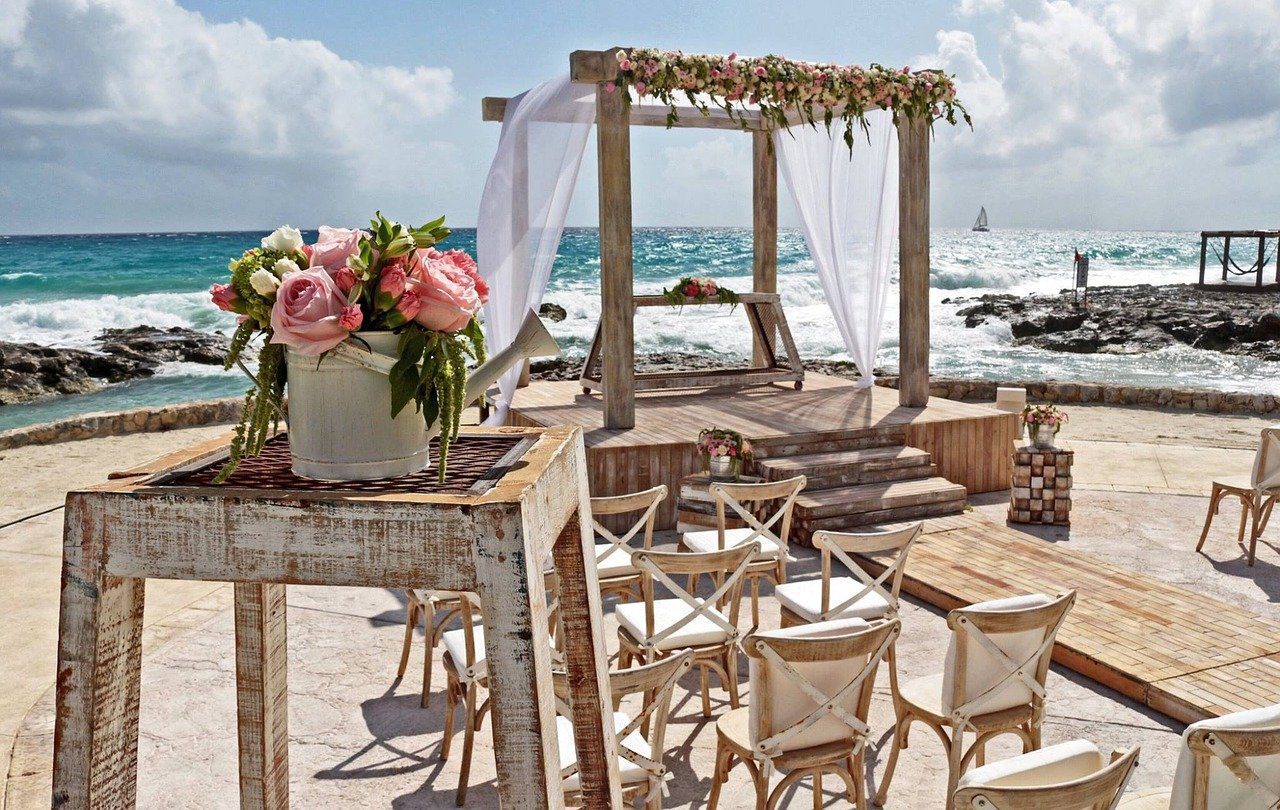
Quinceañera celebrations are among the most cherished traditions in Latin American culture, and Cuba is no exception. This milestone marks a young woman’s transition from childhood to adulthood, and in Cuba, it is celebrated with a rich blend of symbolism, family devotion, music, and festivity. Whether you are planning a quinceañera in Cuba, have been invited to one, or are simply interested in Cuban cultural traditions, this guide will walk you through the most meaningful customs—updated for 2026.
The quinceanera dress

The Quinceañera Dress
One of the most anticipated elements of any quinceañera is the dress. Cuban quinceañeras typically wear an elegant, floor-length gown in white, ivory, or soft pastel shades. The dress is often adorned with lace, beading, embroidery, or layers of tulle, creating a fairy-tale silhouette that sets the debutante apart from her guests.
Accessories play an important role as well. Long satin gloves, a jeweled tiara or headpiece, and matching earrings complete the look. For Cuban-American families hosting the celebration on the island, it is common to either have the dress custom-made by a Cuban designer—often at a more accessible price than in the US—or to bring the dress from the United States. If traveling with the dress, be sure to carry it in a garment bag as a carry-on to avoid damage or loss.
If you select any of the following offers, we provide you with free legal and notarial advice as an added value. Take advantage of this unique opportunity to receive professional assistance in your procedures! Visit these links:
- Wedding Packages at Hotel Inglés
- Wedding Packages at the Pullman Cayo Coco Resort
- Wedding Packages at the Iberostar Varadero Resort
The Religious Ceremony
For many Cuban families, faith is central to the quinceañera tradition. A Misa de Acción de Gracias (Thanksgiving Mass) is held at a local church, where the quinceañera and her family gather to give thanks for her fifteen years and to seek blessings for her future.
During the mass, the quinceañera may present a bouquet to the Virgin Mary and light a candle representing the light of faith that will guide her into adulthood. She is often accompanied by damas (maids of honor) and chambelanes (escorts), who participate in the procession. This religious ceremony is not merely a formality; it remains a deeply meaningful tradition that underscores the role of community and spirituality in Cuban life.
The Waltz and Cuban Dance Traditions

The waltz is one of the most emotional moments of the celebration. The quinceañera dances the first waltz with her father—or with a trusted male figure—symbolizing his love, guidance, and the special bond between them. This moment often brings guests to tears, as it represents the transition from childhood to young adulthood.
After the father-daughter waltz, the quinceañera may dance with her chambelanes, followed by a group choreography that the court typically rehearses for weeks in advance.
In Cuba, the celebration does not stop at the waltz. As the night progresses, the music shifts to the island’s iconic rhythms: salsa, son, timba, and reguetón. Live bands are common, and it is expected that all guests—regardless of age—join the dance floor. For US guests attending a quinceañera in Cuba, it is helpful to know that dancing is not optional; it is a sign of respect and participation in the joy of the occasion.
If you choose any of our packages, we offer you free consulting for legal and notarial services. Follow the links.
- Wedding Packages in Havana
- Wedding Packages at the Hotel Nacional de Cuba
- Wedding Packages at the Meliá Cohíba Hotel
- Wedding Packages at the Meliá Habana Hotel
- Wedding Packages in Varadero
The food and the party
Food is an essential part of any Cuban celebration, and quinceañeras are no exception. At these festivals, traditional Cuban dishes such as rice and beans, roast suckling pig, yucca, fried plantains, and flan are served. The guests enjoy a delicious meal while celebrating and congratulating the quinceañera.
After the meal, the party continues with music, dancing and entertainment. Bands or DJs are hired to ensure that all guests have fun and dance late into the night. It is also common to have a sweets table with traditional Cuban desserts such as guava pastries, nougats and meringues.
The Changing of the Shoes

One of the most symbolic and visually striking traditions is the cambio de zapatos (change of shoes). During the ceremony or early in the reception, the quinceañera’s father or another close family member kneels before her and replaces her flat shoes with a pair of high heels.
This act represents her transition from a girl into a young woman. It is often accompanied by a special song or a brief speech, and it frequently serves as the moment that opens the dance floor. For US families planning this tradition in Cuba, it is important to bring both pairs of shoes and to coordinate with the event planner or DJ to ensure the timing flows smoothly.
If you decide to celebrate your wedding with us, you will have access to legal and notarial consulting at no additional cost. You can get details about our services and the exclusive benefits we offer in the following packages:
- Wedding Packages at Starfish 4 Palmas Resort
- Wedding Packages at Paradisus Resort
- Wedding Packages at the Iberostar Tainos Resort
- Wedding Packages at the Meliá Jardines del Rey Cayo Coco Resort
Food: A Feast of Cuban Flavors
No Cuban celebration is complete without an abundant meal. Quinceañera menus typically feature classic Cuban dishes that reflect the island’s culinary heritage:
-
Arroz con pollo or arroz blanco con frijoles negros (white rice with black beans)
-
Lechón asado (roast suckling pig), often the centerpiece of the meal
-
Yuca con mojo (cassava in garlic citrus sauce)
-
Plátanos maduros (sweet fried plantains)
-
Flan or arroz con leche for dessert
A sweets table (mesa de dulces) is also common, featuring pastelitos de guayaba (guava pastries), merenguitos (meringue cookies), and turrón. In recent years, many quinceañeras in Cuba have incorporated themed candy bars or dessert stations influenced by US trends, blending tradition with modern style.
Practical Considerations for US and UK Families Planning a Quinceañera in Cuba
If you are a US-based family planning to celebrate a quinceañera in Cuba, there are several unique factors to consider in 2026:
-
Travel Authorization: US citizens must travel under an OFAC general license. The most commonly used categories for family celebrations are Support for the Cuban People or Educational Activities. Your travel must be documented accordingly.
A Celebration of Family, Faith, and Culture
Cuban quinceañeras are far more than a party—they are a rite of passage that brings together generations. From the elegance of the dress and the solemnity of the mass to the rhythm of salsa and the emotional shoe change, each tradition tells a story of family love and cultural pride.
For those fortunate enough to attend or plan one in Cuba, the experience offers a unique window into the island’s soul: joyful, resilient, deeply rooted in community, and always ready to dance until dawn.
-
Cash Economy: US credit and debit cards do not work in Cuba. Bring all funds in pristine USD cash. Exchange for Cuban pesos (CUP) at official cadecas upon arrival.
-
Documentation: If the quinceañera includes a religious ceremony at a church, you may need to provide baptismal certificates or other documents. These should be translated into Spanish and legalized through the Cuban Consulate before travel.
-
Local Planners: Hiring a local event planner based in Cuba is highly recommended. They can coordinate with venues, photographers, florists, and musicians, all of whom typically work in cash and require local contacts.
-
Photography: Bring your own photographer only if they are a family guest not working professionally. Professional US vendors are generally not permitted to work in Cuba without a special visa. Most families hire a local Cuban photographer, who often offers exceptional quality at a fraction of US prices.